Buy pepic.eu ?
We are moving the project
pepic.eu .
Are you interested in purchasing the domain
pepic.eu ?
domain@kv-gmbh.de · 0541-91531010
Buy pepic.eu ?
Is Simple Present and Present Simple the same thing?
Yes, "Simple Present" and "Present Simple" are the same thing. They both refer to the tense used to describe actions that happen regularly, habits, general truths, and scheduled events in the present time. Both terms can be used interchangeably to describe the basic present tense in English grammar. **
Can you help me form or rearrange simple sentences in the Simple Present and Simple Past?
Yes, I can help you form or rearrange simple sentences in the Simple Present and Simple Past. For example, in the Simple Present, you can say "I eat breakfast every morning" or "She goes to the gym after work." In the Simple Past, you can say "I visited my friend yesterday" or "They watched a movie last night." If you have specific sentences you'd like help with, feel free to provide them and I can assist you in forming or rearranging them. **
Similar search terms for Simple
Top-Angebote
Products related to Simple:
-
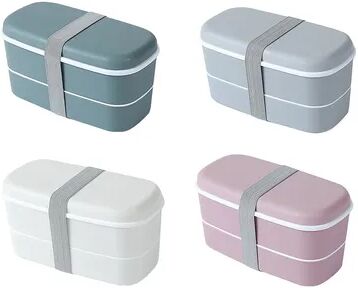
Trendy Discount Goods Portable Outdoor Leak Proof Lunch Box, Simple Style Layered Japanese Bento Box, Kitchen Accessories Tableware whiteSimple Style Layered Japanese Bento Box Experience convenience and style with our Simple Style Layered Japanese Bento Box. Designed for modern lifestyles, this bento box is perfect for school, work, or outdoor adventures. Its layered design allows...23,97 $*Shipping: 0,00 $Secure redirect to the provider


-
How can one create simple nail polish designs at home?
Creating simple nail polish designs at home can be easy and fun. Start by applying a base coat to protect your nails. Then, use a toothpick or a thin brush to create simple designs like dots, stripes, or geometric shapes. You can also use tape or stickers to create clean lines and patterns. Finish with a top coat to seal in the design and add shine. With a little practice and creativity, you can achieve professional-looking nail art at home. **
-
What is the difference between Simple Past and Simple Present?
The main difference between Simple Past and Simple Present is the timeframe they refer to. Simple Present is used to talk about actions that are happening now or regularly occur, while Simple Past is used to talk about actions that were completed in the past. In Simple Present, the verb is in its base form or with an -s ending for third person singular subjects, while in Simple Past, regular verbs end in -ed and irregular verbs have specific past tense forms. **
-
How do I distinguish between Simple Past and Simple Present?
The Simple Past tense is used to talk about actions that were completed in the past, while the Simple Present tense is used to talk about actions that are happening in the present. To distinguish between the two, look for keywords such as "yesterday," "last week," or specific times that indicate the action happened in the past, which would indicate the use of Simple Past. On the other hand, if the sentence includes words like "now," "currently," or general time markers, it is likely using Simple Present. Additionally, pay attention to the verb forms - Simple Past verbs often end in "-ed" or have irregular forms, while Simple Present verbs typically end in "-s" in the third person singular form. **
-
How do I differentiate between Simple Past and Simple Present?
To differentiate between Simple Past and Simple Present, you need to look at the timing of the action. Simple Past is used to talk about actions that happened in the past and are completed. It is formed by adding -ed to regular verbs or using the past form of irregular verbs. On the other hand, Simple Present is used to talk about actions that are happening now, habitual actions, general truths, or scheduled future events. It is formed by using the base form of the verb. By paying attention to the timing of the action and the form of the verb, you can easily differentiate between Simple Past and Simple Present. **


What is the difference again between Simple Past and Simple Present?
The simple present tense is used to describe actions that are happening right now or regularly occurring actions. For example, "I eat breakfast every morning." On the other hand, the simple past tense is used to describe actions that have already happened in the past. For example, "I ate breakfast yesterday." In summary, the simple present tense is used for present actions or habits, while the simple past tense is used for actions that have already occurred in the past. **
What are simple chemical experiments that can be conducted at home?
Some simple chemical experiments that can be conducted at home include making a baking soda and vinegar volcano, creating invisible ink using lemon juice or milk, and testing the pH of household substances using red cabbage juice. These experiments are safe and easy to do with common household items, making them suitable for children and adults alike. They can help to demonstrate basic chemical reactions and principles in a fun and engaging way. **
Top-Angebote
Products related to Simple:
-
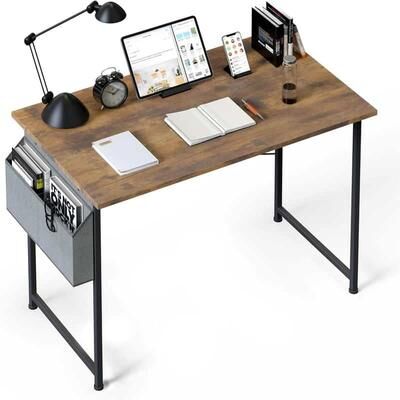
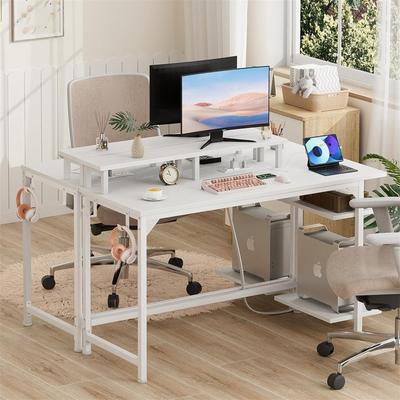
No Modern Simple Style Home Office"40""(L) x 20""(W) x 29.5""(H). This small 40inch computer desk fits small corner of the room perfectly and offers plenty of leg room for rest and storage. You'll be surprised by sufficient working room the small desk provides."129,99 $*Shipping: 0,00 $Secure redirect to the provider
-
Trendy Discount Goods Portable Outdoor Leak Proof Lunch Box, Simple Style Layered Japanese Bento Box, Kitchen Accessories Tableware whiteSimple Style Layered Japanese Bento Box Experience convenience and style with our Simple Style Layered Japanese Bento Box. Designed for modern lifestyles, this bento box is perfect for school, work, or outdoor adventures. Its layered design allows...23,97 $*Shipping: 0,00 $Secure redirect to the provider
-
Is Simple Present and Present Simple the same thing?
Yes, "Simple Present" and "Present Simple" are the same thing. They both refer to the tense used to describe actions that happen regularly, habits, general truths, and scheduled events in the present time. Both terms can be used interchangeably to describe the basic present tense in English grammar. **
-
Can you help me form or rearrange simple sentences in the Simple Present and Simple Past?
Yes, I can help you form or rearrange simple sentences in the Simple Present and Simple Past. For example, in the Simple Present, you can say "I eat breakfast every morning" or "She goes to the gym after work." In the Simple Past, you can say "I visited my friend yesterday" or "They watched a movie last night." If you have specific sentences you'd like help with, feel free to provide them and I can assist you in forming or rearranging them. **
-
How can one create simple nail polish designs at home?
Creating simple nail polish designs at home can be easy and fun. Start by applying a base coat to protect your nails. Then, use a toothpick or a thin brush to create simple designs like dots, stripes, or geometric shapes. You can also use tape or stickers to create clean lines and patterns. Finish with a top coat to seal in the design and add shine. With a little practice and creativity, you can achieve professional-looking nail art at home. **
-
What is the difference between Simple Past and Simple Present?
The main difference between Simple Past and Simple Present is the timeframe they refer to. Simple Present is used to talk about actions that are happening now or regularly occur, while Simple Past is used to talk about actions that were completed in the past. In Simple Present, the verb is in its base form or with an -s ending for third person singular subjects, while in Simple Past, regular verbs end in -ed and irregular verbs have specific past tense forms. **
Similar search terms for Simple
-
How do I distinguish between Simple Past and Simple Present?
The Simple Past tense is used to talk about actions that were completed in the past, while the Simple Present tense is used to talk about actions that are happening in the present. To distinguish between the two, look for keywords such as "yesterday," "last week," or specific times that indicate the action happened in the past, which would indicate the use of Simple Past. On the other hand, if the sentence includes words like "now," "currently," or general time markers, it is likely using Simple Present. Additionally, pay attention to the verb forms - Simple Past verbs often end in "-ed" or have irregular forms, while Simple Present verbs typically end in "-s" in the third person singular form. **
-
How do I differentiate between Simple Past and Simple Present?
To differentiate between Simple Past and Simple Present, you need to look at the timing of the action. Simple Past is used to talk about actions that happened in the past and are completed. It is formed by adding -ed to regular verbs or using the past form of irregular verbs. On the other hand, Simple Present is used to talk about actions that are happening now, habitual actions, general truths, or scheduled future events. It is formed by using the base form of the verb. By paying attention to the timing of the action and the form of the verb, you can easily differentiate between Simple Past and Simple Present. **
-
What is the difference again between Simple Past and Simple Present?
The simple present tense is used to describe actions that are happening right now or regularly occurring actions. For example, "I eat breakfast every morning." On the other hand, the simple past tense is used to describe actions that have already happened in the past. For example, "I ate breakfast yesterday." In summary, the simple present tense is used for present actions or habits, while the simple past tense is used for actions that have already occurred in the past. **
-
What are simple chemical experiments that can be conducted at home?
Some simple chemical experiments that can be conducted at home include making a baking soda and vinegar volcano, creating invisible ink using lemon juice or milk, and testing the pH of household substances using red cabbage juice. These experiments are safe and easy to do with common household items, making them suitable for children and adults alike. They can help to demonstrate basic chemical reactions and principles in a fun and engaging way. **
* All prices are inclusive of VAT and, if applicable, plus shipping costs. The offer information is based on the details provided by the respective shop and is updated through automated processes. Real-time updates do not occur, so deviations can occur in individual cases. ** Note: Parts of this content were created by AI.