Buy pepic.eu ?
We are moving the project
pepic.eu .
Are you interested in purchasing the domain
pepic.eu ?
domain@kv-gmbh.de · 0541-91531010
Buy pepic.eu ?
What is the difference between cylinder compressive strength and cube compressive strength?
Cylinder compressive strength and cube compressive strength are both measures of the ability of concrete to withstand compressive forces. The main difference between the two lies in the shape of the specimens used for testing. Cylinder compressive strength is measured using cylindrical specimens, while cube compressive strength is measured using cube-shaped specimens. The choice between the two depends on the specific requirements of the project and the testing standards being followed. **
What are compressive forces and tensile forces?
Compressive forces are forces that act to squeeze or compact an object, causing it to become shorter or more compact. Tensile forces, on the other hand, are forces that act to stretch or pull an object, causing it to become longer or more elongated. Both types of forces are important in understanding how materials respond to external loads and are critical in engineering and structural design. **


Similar search terms for Compressive
Top-Angebote
Products related to Compressive:
-
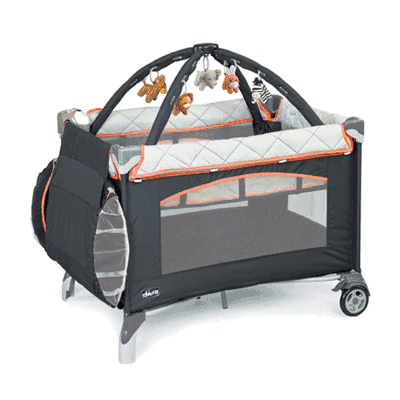
Chicco Lullaby Playard with Electronics in IcebergQuilted mattress is thickly padded for babys nap time or playtime comfort ; Removable mattress covering is easy to machine wash ; Changing table is elevated for ease of use and thickly padded for babys comfort ; Quilted bassinet is perfect for...159,99 $*Shipping: 0,00 $Secure redirect to the provider
-
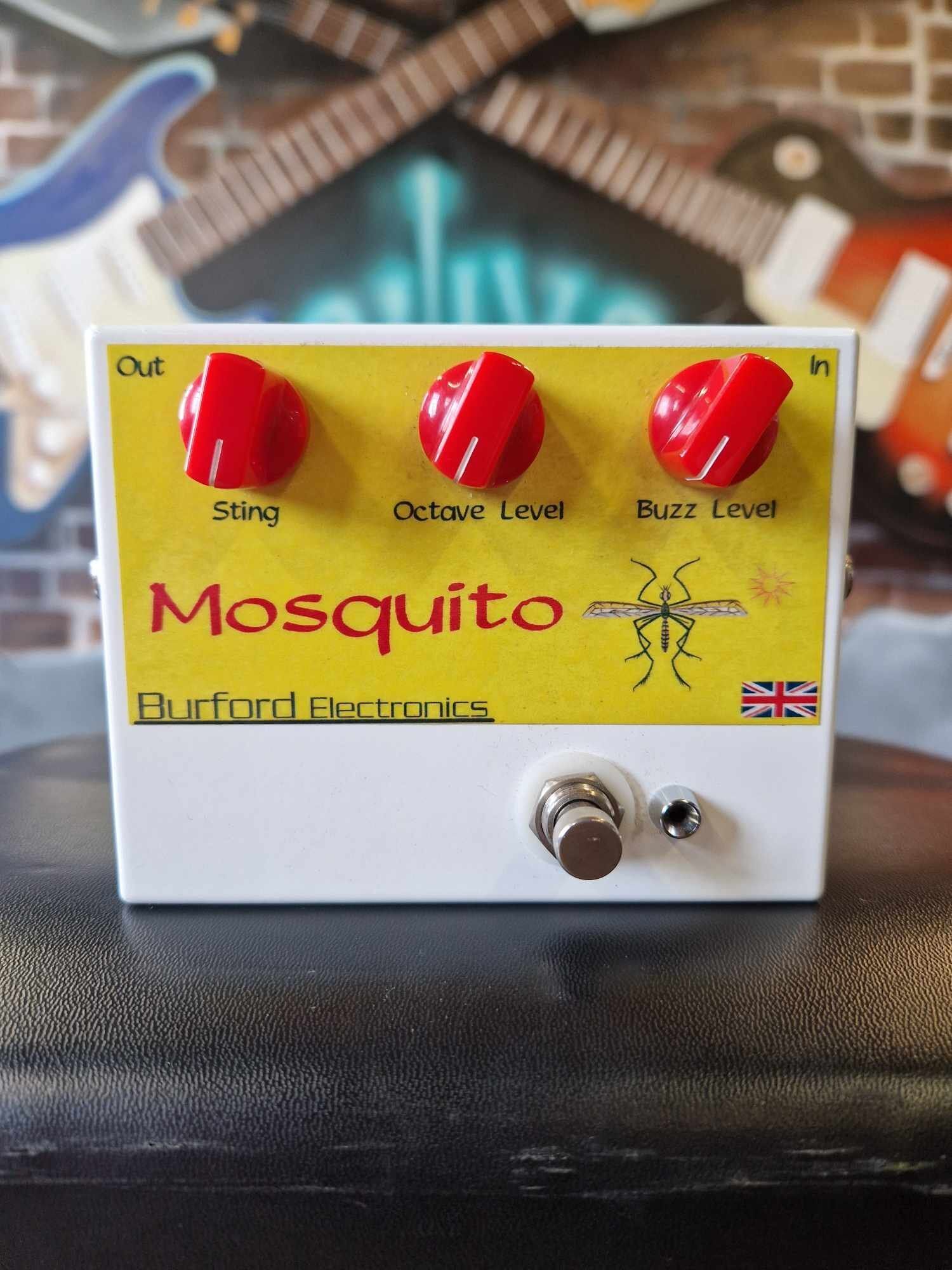
Burford Electronics Mosquito Fuzz Pedal Original - RefurbishedThis is a Burford Electronics Mosquito Fuzz Pedal. The Mosquito is a Fuzz/Octave pedal with a pretty unique sound, being closer to a fuzz more than a distortion this pedal delivers high octane fuzz sounds that will leave a sting. Here's what Burford Electronics say about the Mosquito Pedal: “A unique Octave up fuzz, which will give you pure fuzz on one twist of a knob & octave fuzz on one twist of another knob. So you can have your fuzz setting for a rich body & add octave fuzz to it or turn the fuzz down & just use the octave fuzz control for cutting lead. There is also a control called Sting, this is a tone filter that alters the voice of the octave from sharp to mellow. The octave is not over the top, on the lower register it is quite subtle, you can even play power chords and it holds together extremely well. Without that horrible modulation that is associated with some analogue octave up pedals, even some of the legendary expensive ones. Try soloing somewhere from the 8th fret upwards, it is very responsive and particularly so around 12th/15th fret and even higher. Neck and back pick ups give different sounds. Even playing positions will give different responses.”120,00 £*Shipping: 0,00 £Secure redirect to the provider
-
Keeley Electronics Aurora Digital Reverb Pedal Original - RefurbishedThis is a Keeley Electronics Aurora Reverb guitar effects pedal. Made in the USA, this pedal offers as many different reverb sounds in one pedal as Keeley could manage. As well as having three different reverb styles you get huge control of the Decay, Slapback, warmth and blend meaning you have access to the most inspiring reverb from pristine, fast reflection to ethereal spaces to deep, dark and endless caverns. Here’s what Keeley say about the Aurora; The Keeley Aurora Reverb provides the essentials guitarists are looking for when they need reverb on their pedal boards. Like that ethereal glow to the mighty Earth herself, Aurora creates a natural halo of sound in the atmosphere of your magnificent core tone.100,00 £*Shipping: 0,00 £Secure redirect to the provider


-
What is the function of a compressive bandage?
A compressive bandage is used to apply pressure to a specific area of the body in order to reduce swelling, control bleeding, and provide support to injured muscles or joints. The pressure from the bandage helps to limit the movement of injured body parts, which can prevent further damage and promote healing. Additionally, compressive bandages can help improve blood circulation and reduce the risk of blood clots. **
-
What is the compressive strength of structural steel?
The compressive strength of structural steel typically ranges from 250 MPa to 400 MPa, depending on the grade and type of steel used. This high compressive strength makes structural steel a popular choice for construction projects where strength and durability are essential. It allows structural steel to withstand heavy loads and provide stability to buildings and other structures. **
-
What is the difference between compressive force and stress?
Compressive force is the external force applied to an object in a direction that tends to compress or shorten the object. Stress, on the other hand, is the internal resistance of a material to deformation under an applied force. In other words, compressive force is the external force acting on an object, while stress is the internal response of the object to that force. Stress is a measure of how much force is distributed over a given area, while compressive force is simply the magnitude of the force applied. **
-
What is the explanation for compressive stress and tensile stress?
Compressive stress occurs when a material is being pushed or squeezed, causing it to become shorter in length. This type of stress is caused by forces acting to compress the material. Tensile stress, on the other hand, occurs when a material is being pulled or stretched, causing it to become longer in length. This type of stress is caused by forces acting to stretch the material. Both compressive and tensile stress are important factors in understanding the behavior of materials under different types of loading conditions. **

What is the difference between compressive stresses and tensile stresses in concrete engineering?
Compressive stresses in concrete engineering refer to forces that tend to compress or shorten the material, while tensile stresses refer to forces that tend to stretch or elongate the material. Concrete is much stronger in compression than in tension, so it is important to design structures that can withstand both types of stresses. Reinforcing materials like steel bars are often used to help concrete withstand tensile stresses. **
What is the difference between compressive stress and tensile stress in concrete engineering?
Compressive stress in concrete engineering refers to the force that tends to crush or compact the material, while tensile stress refers to the force that tends to pull or stretch the material apart. In concrete, compressive stress is typically the dominant type of stress, as concrete is much stronger in compression than in tension. Tensile stress can lead to cracking and failure in concrete structures, which is why reinforcement such as steel bars are often used to counteract this type of stress. **
Top-Angebote
Products related to Compressive:
-
Shoekeeper Men's Shoe Stretcher & Spray - M Other Footwear Accessories*Expand your shoes to the perfect fit *Shoe stretch spray softens leather *Screw-driven shoe stretcher expands leather to eliminate pinching *Metal plugs included for spot stretching *Kit includes one stretcher and one bottle of 4 oz. spray *Sizes:...54,95 $*Shipping: 6,95 $Secure redirect to the provider
-
Georgia Boot Comfort Core 5 Orthotic Footbed - M Orange Footwear Accessories*Ergonomic Arch Support in the Georgia Boot Comfort Core 5 Footbed relieves foot fatigue and provides added comfort *Air flow channels provide cool circulation *Footbed can be trimmed *M fits U.S. Men's sizes 6 to 8-1/2 and Women's sizes 8 to 10-1/2...28,00 $*Shipping: 6,95 $Secure redirect to the provider
-
Chicco Lullaby Playard with Electronics in IcebergQuilted mattress is thickly padded for babys nap time or playtime comfort ; Removable mattress covering is easy to machine wash ; Changing table is elevated for ease of use and thickly padded for babys comfort ; Quilted bassinet is perfect for...159,99 $*Shipping: 0,00 $Secure redirect to the provider
-
What is the difference between cylinder compressive strength and cube compressive strength?
Cylinder compressive strength and cube compressive strength are both measures of the ability of concrete to withstand compressive forces. The main difference between the two lies in the shape of the specimens used for testing. Cylinder compressive strength is measured using cylindrical specimens, while cube compressive strength is measured using cube-shaped specimens. The choice between the two depends on the specific requirements of the project and the testing standards being followed. **
-
What are compressive forces and tensile forces?
Compressive forces are forces that act to squeeze or compact an object, causing it to become shorter or more compact. Tensile forces, on the other hand, are forces that act to stretch or pull an object, causing it to become longer or more elongated. Both types of forces are important in understanding how materials respond to external loads and are critical in engineering and structural design. **
-
What is the function of a compressive bandage?
A compressive bandage is used to apply pressure to a specific area of the body in order to reduce swelling, control bleeding, and provide support to injured muscles or joints. The pressure from the bandage helps to limit the movement of injured body parts, which can prevent further damage and promote healing. Additionally, compressive bandages can help improve blood circulation and reduce the risk of blood clots. **
-
What is the compressive strength of structural steel?
The compressive strength of structural steel typically ranges from 250 MPa to 400 MPa, depending on the grade and type of steel used. This high compressive strength makes structural steel a popular choice for construction projects where strength and durability are essential. It allows structural steel to withstand heavy loads and provide stability to buildings and other structures. **
Similar search terms for Compressive
-
Burford Electronics Mosquito Fuzz Pedal Original - RefurbishedThis is a Burford Electronics Mosquito Fuzz Pedal. The Mosquito is a Fuzz/Octave pedal with a pretty unique sound, being closer to a fuzz more than a distortion this pedal delivers high octane fuzz sounds that will leave a sting. Here's what Burford Electronics say about the Mosquito Pedal: “A unique Octave up fuzz, which will give you pure fuzz on one twist of a knob & octave fuzz on one twist of another knob. So you can have your fuzz setting for a rich body & add octave fuzz to it or turn the fuzz down & just use the octave fuzz control for cutting lead. There is also a control called Sting, this is a tone filter that alters the voice of the octave from sharp to mellow. The octave is not over the top, on the lower register it is quite subtle, you can even play power chords and it holds together extremely well. Without that horrible modulation that is associated with some analogue octave up pedals, even some of the legendary expensive ones. Try soloing somewhere from the 8th fret upwards, it is very responsive and particularly so around 12th/15th fret and even higher. Neck and back pick ups give different sounds. Even playing positions will give different responses.”120,00 £*Shipping: 0,00 £Secure redirect to the provider
-
Keeley Electronics Aurora Digital Reverb Pedal Original - RefurbishedThis is a Keeley Electronics Aurora Reverb guitar effects pedal. Made in the USA, this pedal offers as many different reverb sounds in one pedal as Keeley could manage. As well as having three different reverb styles you get huge control of the Decay, Slapback, warmth and blend meaning you have access to the most inspiring reverb from pristine, fast reflection to ethereal spaces to deep, dark and endless caverns. Here’s what Keeley say about the Aurora; The Keeley Aurora Reverb provides the essentials guitarists are looking for when they need reverb on their pedal boards. Like that ethereal glow to the mighty Earth herself, Aurora creates a natural halo of sound in the atmosphere of your magnificent core tone.100,00 £*Shipping: 0,00 £Secure redirect to the provider
-
Inspire Daily Merch Wooden Flower Buttons Hole Flat Back Buttons For Womens Sweaters Overcoats Apparel Accessories brown 12mmEnhance Your Apparel with 10PCS Wooden Flower Buttons Add a touch of charm to your wardrobe with these 10PCS Wooden Flower Buttons. Designed with a 2hole flatback structure, these beautiful buttons are the perfect addition to your sweaters,...49,97 $*Shipping: 0,00 $Secure redirect to the provider
-
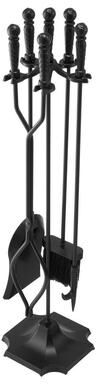
Tools, Home & Hobby Fireplace Tool Set 5 Piece Wrought Iron Fireplace Accessories Stand For Indoor & Outdoor Fires Fireplace Tool Set 5 Piece Wrought Iron Fireplace Accessories Stand For Indoor & Outdoor FiresWarm evenings deserve tools you can rely on. This Fireplace Tool Set is designed to help you safely tend fires, keep your hearth clean, and add timeless style to your living space. Crafted from durable wrought iron and carbon steel, it's ideal for...129,97 $*Shipping: 0,00 $Secure redirect to the provider
-
What is the difference between compressive force and stress?
Compressive force is the external force applied to an object in a direction that tends to compress or shorten the object. Stress, on the other hand, is the internal resistance of a material to deformation under an applied force. In other words, compressive force is the external force acting on an object, while stress is the internal response of the object to that force. Stress is a measure of how much force is distributed over a given area, while compressive force is simply the magnitude of the force applied. **
-
What is the explanation for compressive stress and tensile stress?
Compressive stress occurs when a material is being pushed or squeezed, causing it to become shorter in length. This type of stress is caused by forces acting to compress the material. Tensile stress, on the other hand, occurs when a material is being pulled or stretched, causing it to become longer in length. This type of stress is caused by forces acting to stretch the material. Both compressive and tensile stress are important factors in understanding the behavior of materials under different types of loading conditions. **
-
What is the difference between compressive stresses and tensile stresses in concrete engineering?
Compressive stresses in concrete engineering refer to forces that tend to compress or shorten the material, while tensile stresses refer to forces that tend to stretch or elongate the material. Concrete is much stronger in compression than in tension, so it is important to design structures that can withstand both types of stresses. Reinforcing materials like steel bars are often used to help concrete withstand tensile stresses. **
-
What is the difference between compressive stress and tensile stress in concrete engineering?
Compressive stress in concrete engineering refers to the force that tends to crush or compact the material, while tensile stress refers to the force that tends to pull or stretch the material apart. In concrete, compressive stress is typically the dominant type of stress, as concrete is much stronger in compression than in tension. Tensile stress can lead to cracking and failure in concrete structures, which is why reinforcement such as steel bars are often used to counteract this type of stress. **
* All prices are inclusive of VAT and, if applicable, plus shipping costs. The offer information is based on the details provided by the respective shop and is updated through automated processes. Real-time updates do not occur, so deviations can occur in individual cases. ** Note: Parts of this content were created by AI.